Inside Our Medical Education Hub: Training Healthcare Heroes
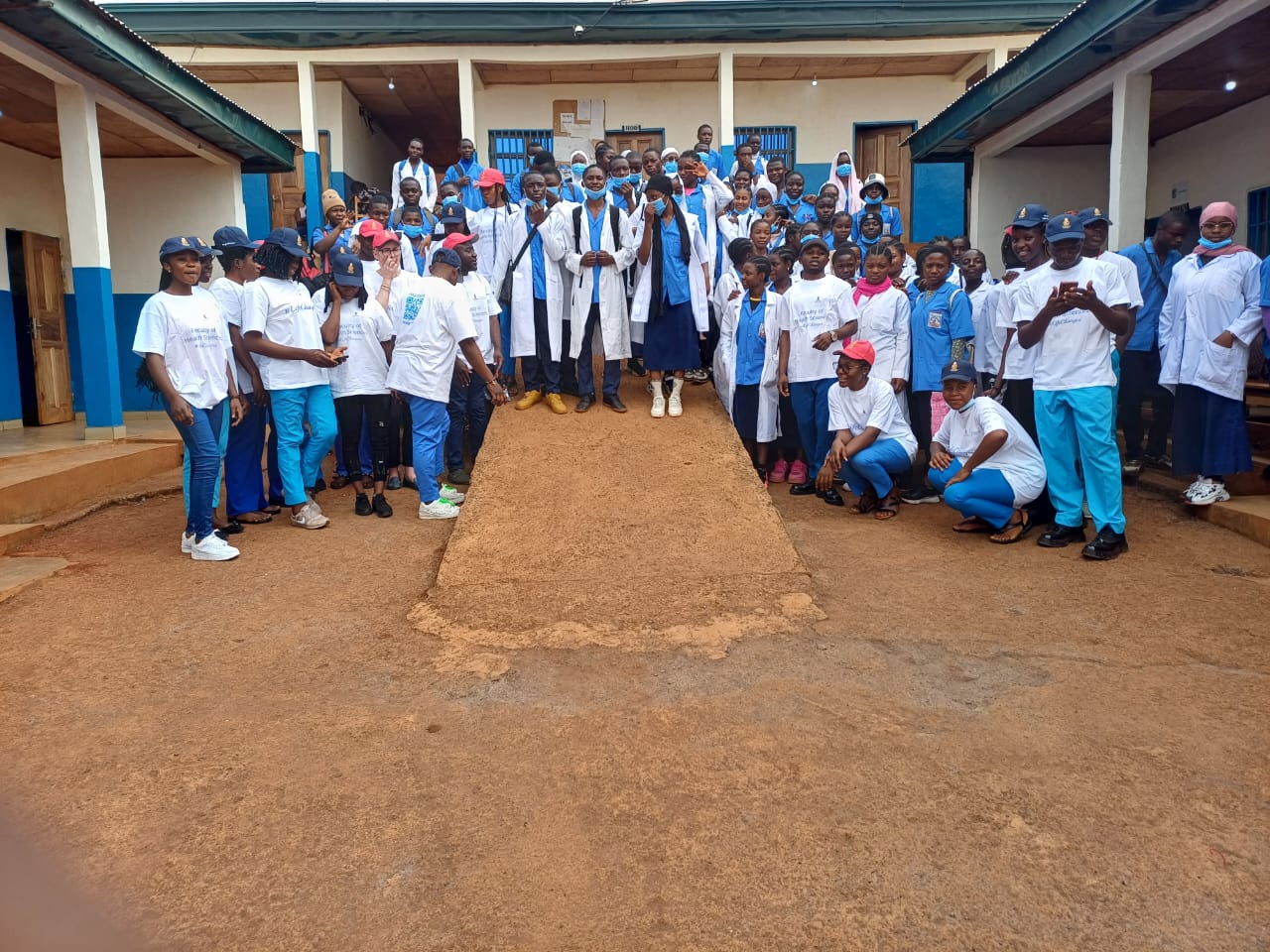
Imagine you are a nurse at a district hospital in rural Cameroon. A patient is wheeled in, struggling to breathe. The nearest specialist is hours away, and the road is impassable. You have only your training and your wits to rely on. This is the reality for healthcare workers in many parts of our country.
At EHFAF, we believe that the best way to save lives is to invest in people. That is why we created the Medical Education Hub. Our mission is to provide high-quality, accessible training to healthcare workers in rural and underserved areas, equipping them with the skills they need to handle emergencies and save lives.
The Challenge of Rural Healthcare
The health disparities between urban and rural Cameroon are stark. While city hospitals are often well-equipped, rural health centers struggle with a lack of resources, limited staffing, and a shortage of trained specialists. Patients from rural areas often arrive too late, too sick, or not at all because there is no one nearby who can help them.
This is the gap we are working to close. Our Medical Education Hub is designed to bring world-class training directly to the healthcare workers who need it most, right in their communities.
Our Flagship Program: Introductory Course in Anaesthesia & Emergency Critical Care
Our most ambitious program to date is a six-month blended learning journey in Anaesthesia and Emergency Critical Care. This program, delivered in collaboration with our partners at the Essential Health Higher Institute and ROBINAID Academy, is designed to meet the specific needs of healthcare professionals in district and regional hospitals.
Why This Course Matters
In many district hospitals, the doctor is often the only one with training in anaesthesia and critical care. But what happens when the doctor is not available? What happens when a nurse or a clinical officer is the most senior person on duty? This program empowers the entire interprofessional team with the knowledge and skills to assess, stabilize, and manage critical patients. It is about building a system where every patient, regardless of where they are, has access to safe, high-quality care.
The Learning Journey
The program is structured to fit around the demanding schedules of busy healthcare workers. It combines:
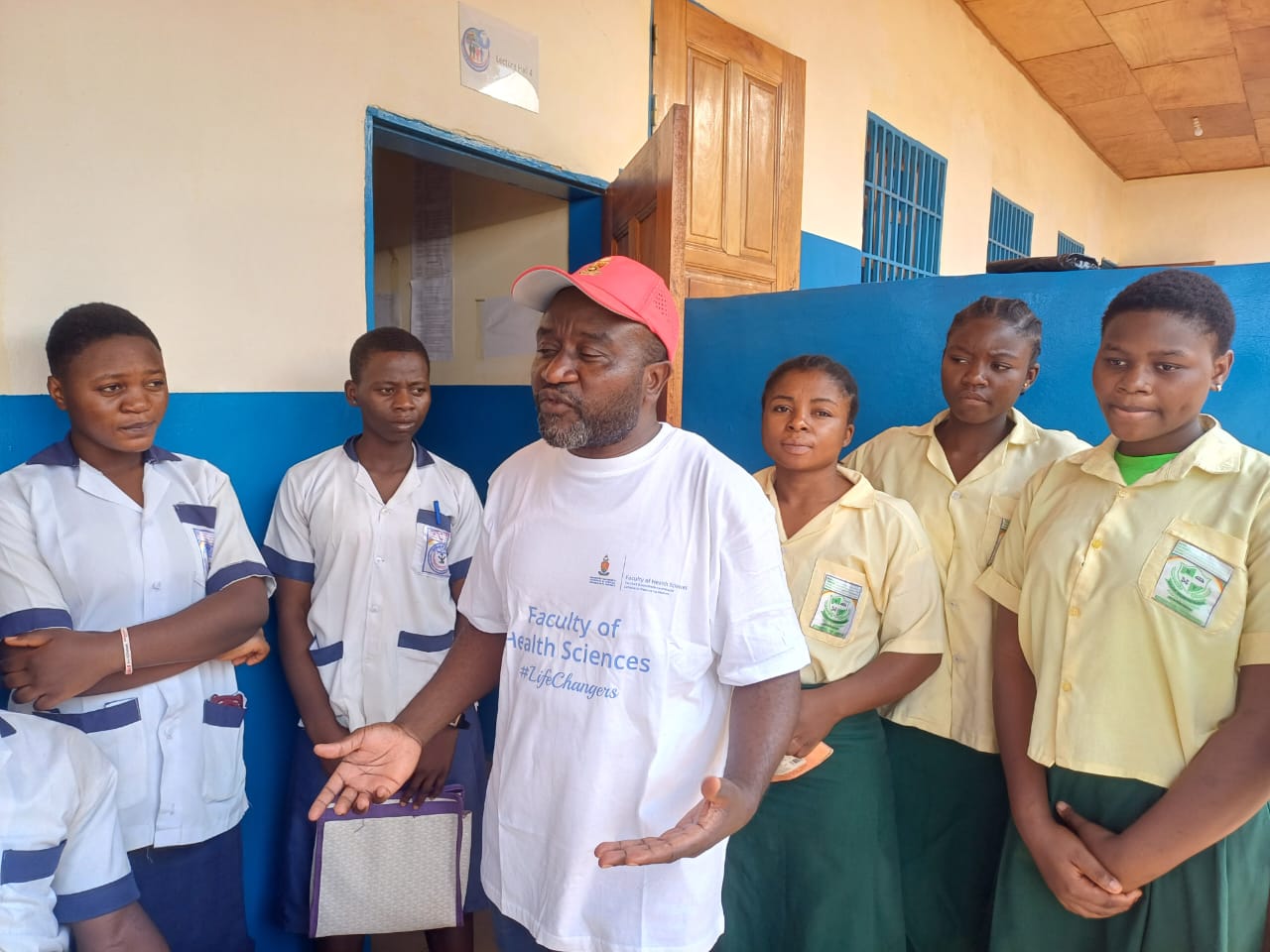
- Online Webinars: Weekly, interactive sessions cover ten core clinical topics, from Clinical Pathways to Neonatal Sepsis. These are not passive lectures. Participants can ask questions, discuss cases, and learn from experts.
- Hands-On Workshops: A five-day intensive workshop held at EHHI Foumbot provides participants with practical, hands-on experience in clinical skills, simulation, and team-based learning. This is where theory meets practice.
- Ongoing Mentoring: Throughout the six months, participants receive ongoing mentoring and support, ensuring they can apply what they have learned in their daily work.
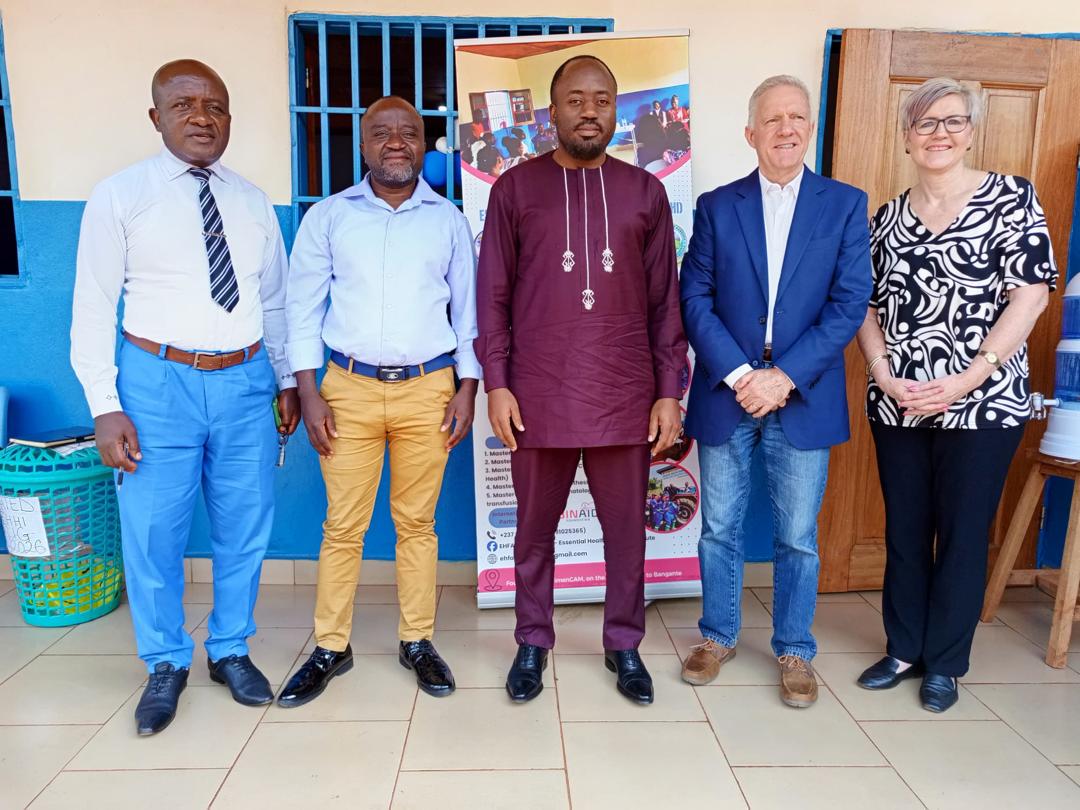
Hands-on training session with healthcare professionals.
|
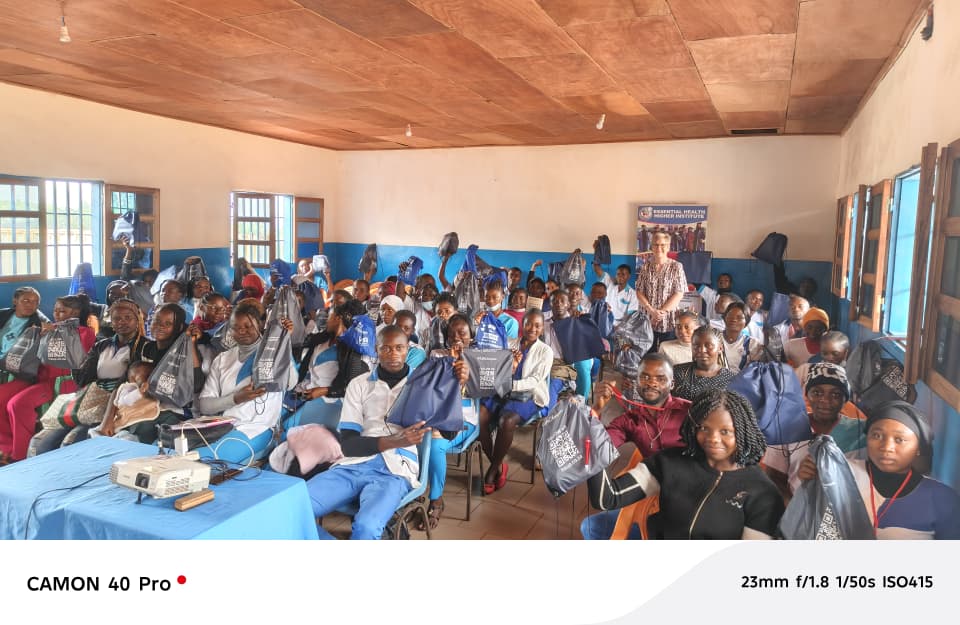
Faculty of Health Sciences partnership program.
|
Curriculum Overview: Ten Core Modules
The program covers the full scope of interprofessional anaesthesia and emergency critical care practice, including:
- Module 01: Clinical Pathways + Standard Operating Procedures
- Module 02: Prevention of Healthcare Associated Infection + Essentials in Antimicrobial Therapy
- Module 03: A-B-C-D-E Assessment + Monitoring
- Module 04: Pathomechanisms + Management of Acute Kidney Injury
- Module 05: Pathomechanisms, Types + Management of Shock
- Module 06: Advanced Pharmacotherapy: Management of Pain + Sedation
- Module 07: Respiratory Failure + Non-invasive + Invasive Mechanical Ventilation
- Module 08: Advanced Pharmacotherapy: Inotropes in Low Cardiac Output
- Module 09: Critical Conditions during Pregnancy, Delivery + Post Partum Period
- Module 10: Pathomechanisms + Management of Sepsis incl. Neonatal Sepsis
The Impact of Training
The impact of this program is immediate and profound. We have already seen how this training has changed the way healthcare workers practice. They are more confident in assessing patients, more skilled in managing emergencies, and better equipped to save lives. By investing in our healthcare workers, we are building a stronger, more resilient health system for all of Cameroon.
Get Involved
Are you a healthcare professional interested in our training programs? Or do you want to support our Medical Education Hub?
Contact Us to Learn More
waoh