
From Classroom to Clinic: Inside Our Skills-to-Systems Pipeline
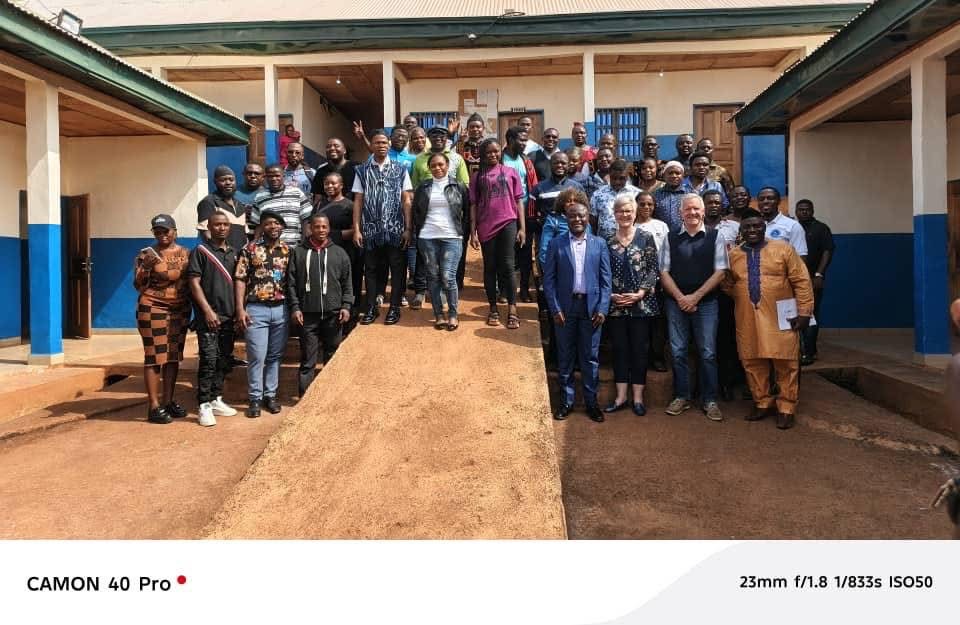
A diploma means little if it is not recognized. A diagnostic test means little if no one is trained to use it. A trained health worker means little if there is no clinic to deploy her to. Real impact in rural healthcare doesn’t come from any single step — it comes from how the steps connect.
That is the thinking behind what we call our Skills-to-Systems Pipeline: a four-stage collaborative model that turns isolated training into lasting healthcare capacity across the North West Region of Cameroon.
Four Stages, Three Partners, One Outcome
Each stage of the pipeline is anchored by a different partner, contributing exactly what that stage requires.
01 — Accreditation
Before training begins, it has to count for something. The University of Bamenda accredits our programs according to national higher education standards, so that the hours a nurse or clinical officer spends in our classrooms translate into real, recognized career progression — not just a certificate that ends at the clinic door.
02 — Technical Training
With accreditation in place, Robinaid Foundation delivers the technical core: hands-on mastery of emergency critical care, cardiac life support, and clinical protocols built specifically for low-resource settings. This is where a nurse learns not just the theory of managing shock or respiratory failure, but how to do it with the equipment actually available in a district hospital.
03 — Diagnostics Research
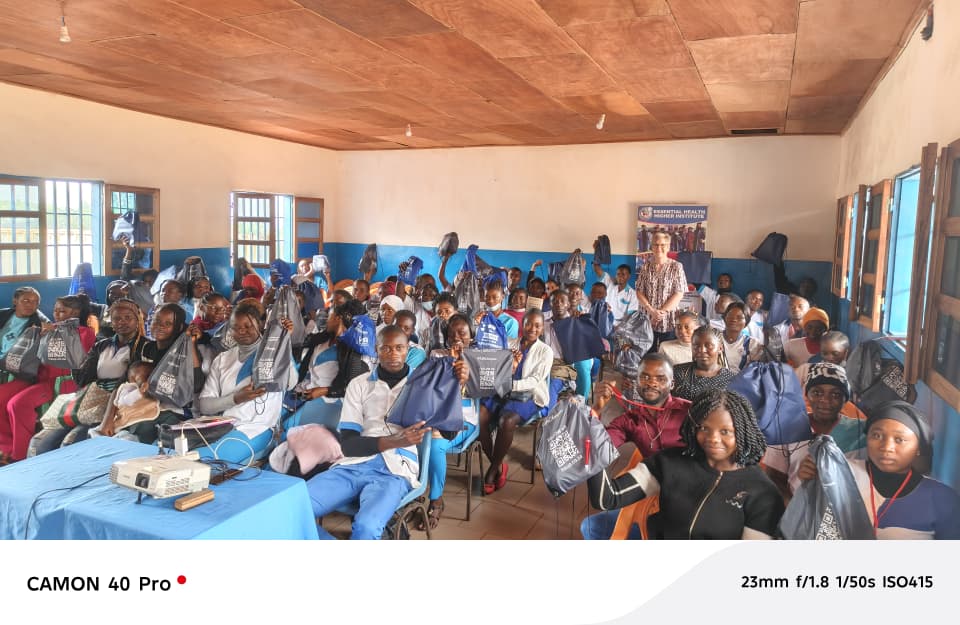
Skilled hands need reliable tools. Through the University of Pretoria’s Centre for Point-of-Care Diagnostics, trained health workers receive REASSURED diagnostic tools — tests that deliver accurate results on the spot, without requiring stable electricity or a full laboratory. This stage is where research becomes something a community health worker can actually hold and use.
04 — Implementation
Finally, EHFAF deploys trained specialists and diagnostic tools directly to our rural clinics, including the Noon Health Center. This is the stage where every prior step becomes tangible: a mother receiving an accurate anemia test in her own village, a newborn assessed by a nurse trained in neonatal resuscitation, a community no longer forced to choose between travelling hours for care or going without it.
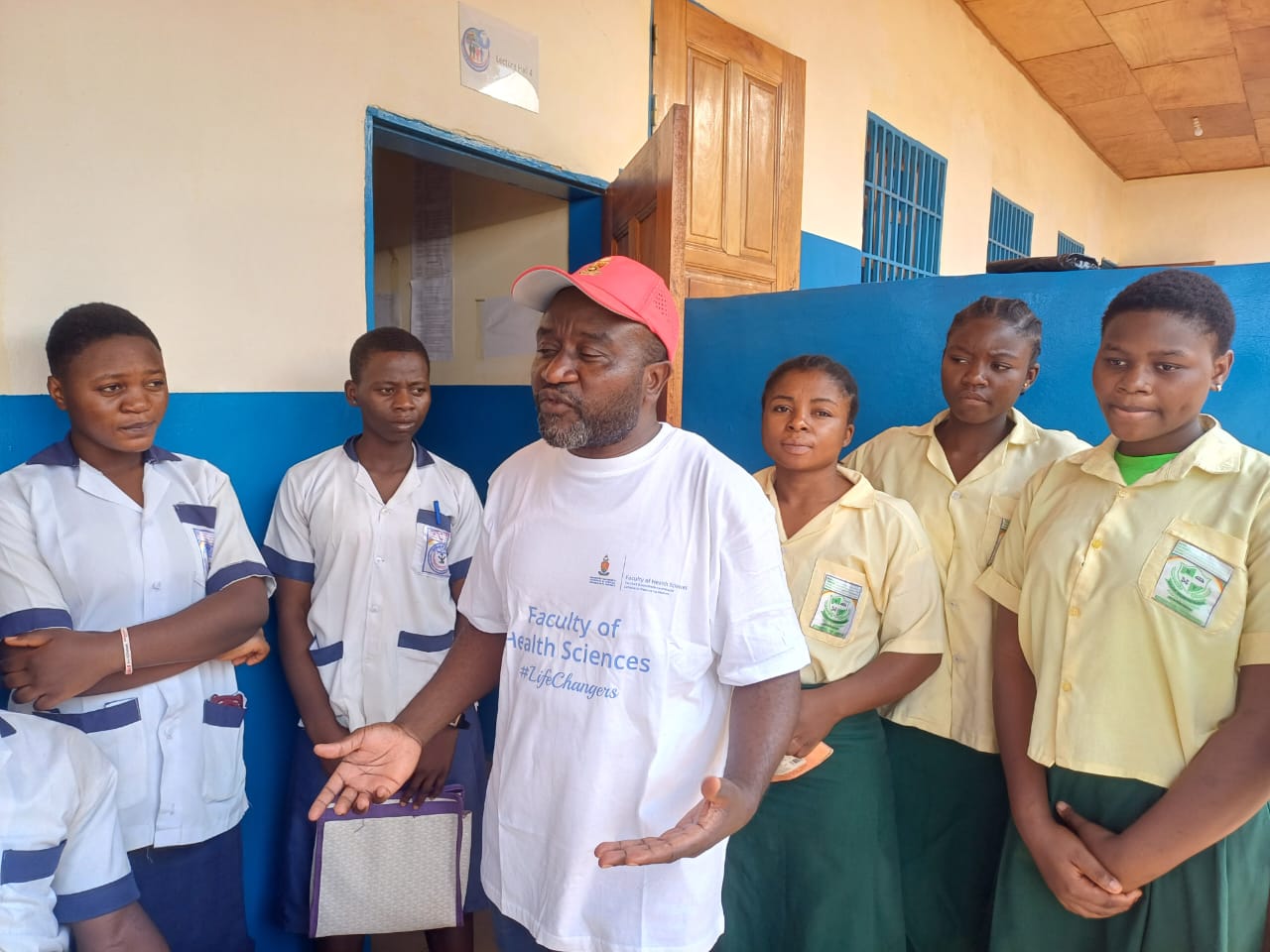
Faculty of Health Sciences — #LifeChangers in training.
|
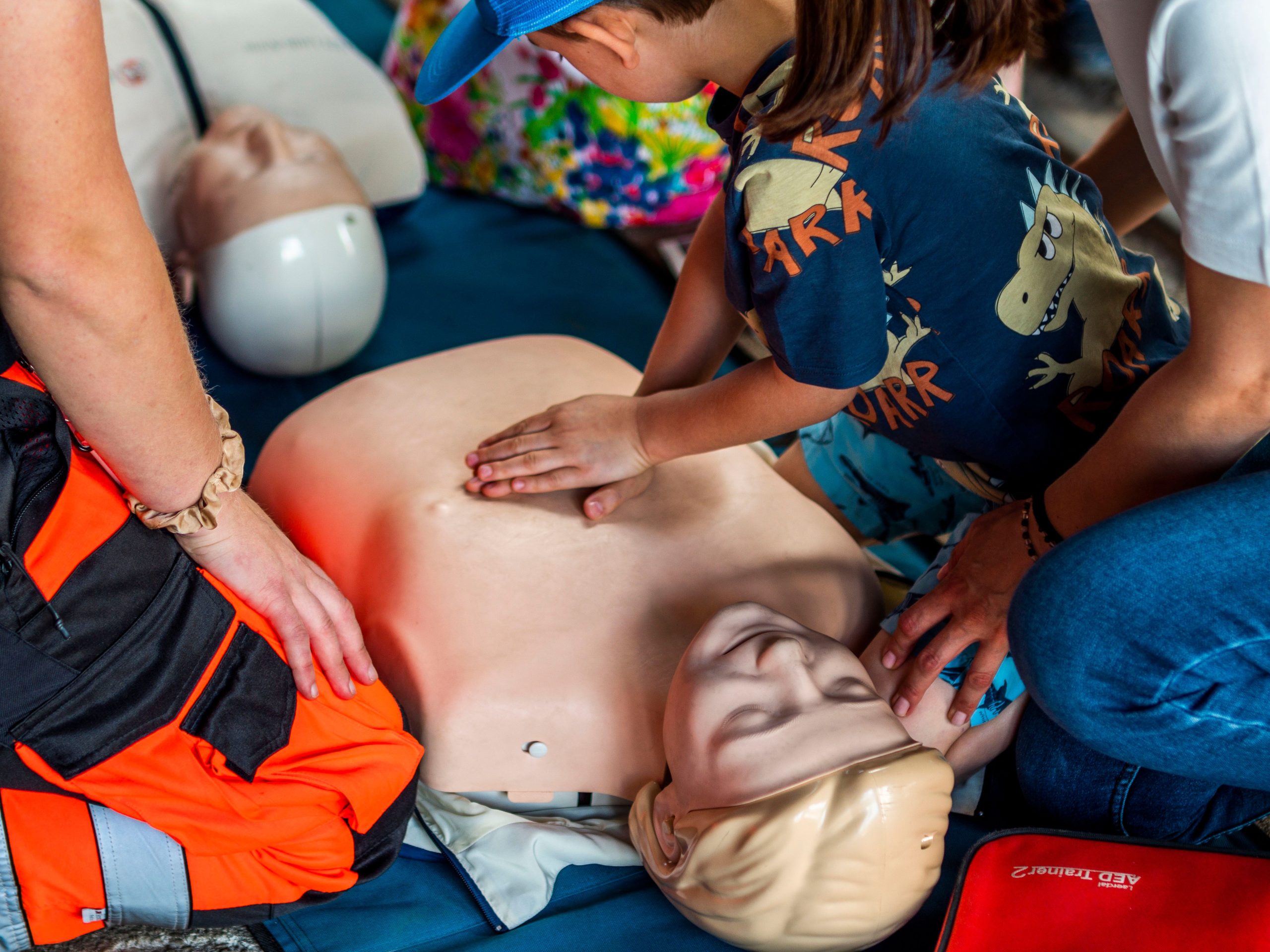
Participants receive course materials at the close of a training session.
|
Why the Pipeline Matters More Than Any Single Stage
It would be easy to run any one of these four stages in isolation. Plenty of organizations train health workers without accreditation. Plenty distribute diagnostic kits without proper training behind them. What makes this model different is that no stage is allowed to stand alone. Accreditation without technical training produces a paper qualification. Technical training without diagnostics leaves a skilled worker guessing. Diagnostics without implementation gathers dust in a storeroom.
By linking all four stages through our partnership with Robinaid Foundation, the University of Pretoria, and the University of Bamenda, EHFAF has built something more durable than a single program: a repeatable system that can keep producing qualified, equipped, recognized health workers for the North West Region — one cohort at a time.
Be Part of the Pipeline
Whether you are an institution, a clinician, or a supporter who believes in systems built to last, there is a place for you in this model.
Get in Touch