
Why EHFAF Doesn’t Work Alone: Building an Ecosystem of Health Equity
One nurse cannot rebuild a health system. One foundation cannot fund a hospital, train a workforce, run diagnostics research, and secure national accreditation all at once. When Ntogwiachu Daniel founded EHFAF in 2009, he understood this from the start: closing the rural healthcare gap in Cameroon would require more hands than any single organization could offer.
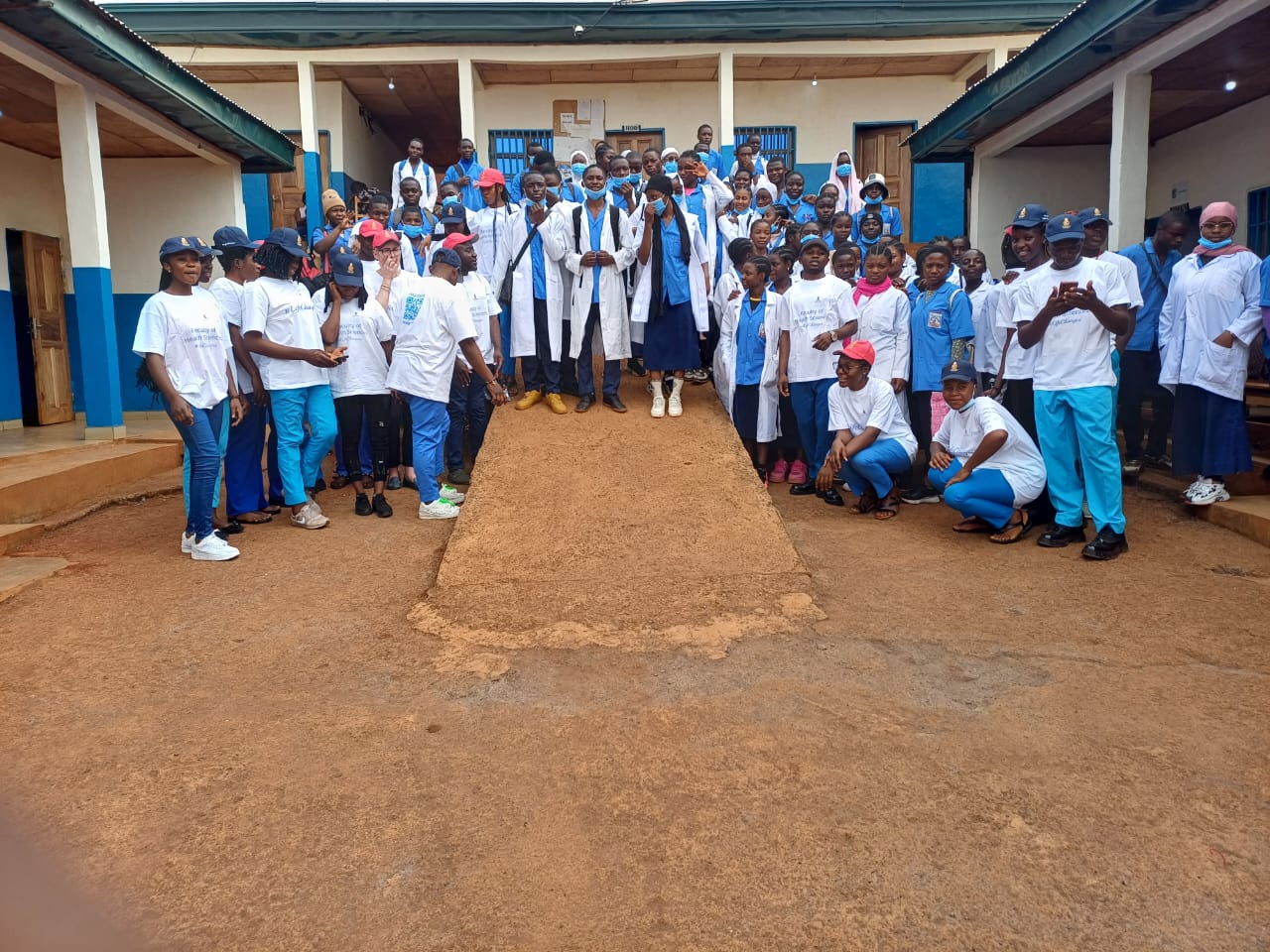
That conviction has shaped everything EHFAF has built since. Rather than trying to do it all internally, we have spent over a decade building what we call an ecosystem of health equity — a network of academic institutions, technical specialists, and government bodies, each contributing a distinct and essential piece of the puzzle.
We Don’t Just Provide Care — We Build Ecosystems
A rural health center can have the best-trained nurse in the country, but if there is no accredited pathway for her to advance, no diagnostic tool to confirm what she suspects, and no governance structure linking her work to national health policy, her impact stays limited to what she alone can carry. Strategic partnership is how EHFAF removes those limits.
Today, three core partners anchor this model, each playing a role no single foundation could fill on its own.
Robinaid Foundation — Technical Leadership in Critical Care
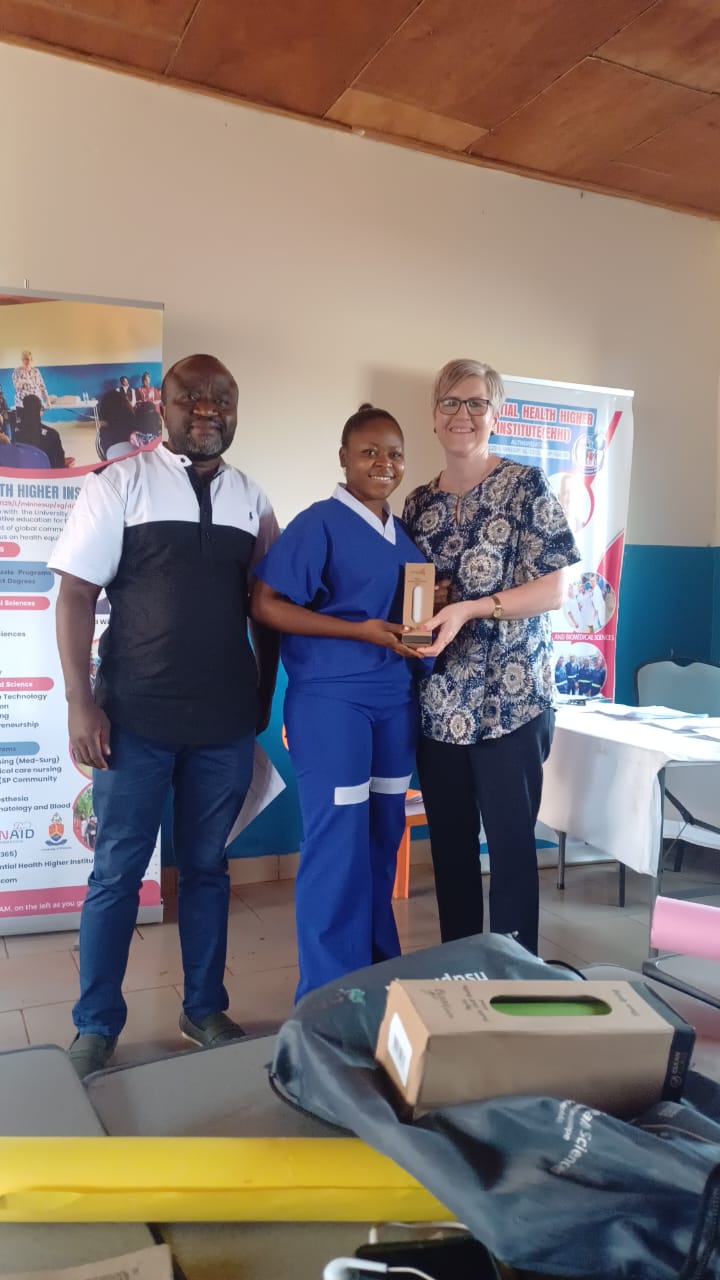
Robinaid Foundation is our technical leader in emergency and cardiac critical care. Together, we pioneered the Interprofessional Emergency Critical Care (IECC) concept — a model built specifically for healthcare workers practicing in low-resource settings where a specialist may be hours away. Robinaid contributes the Master’s curriculum delivered through Essential Health Higher Institute, point-of-care ultrasound training, and life-saving clinical protocols designed to reduce preventable trauma deaths.
University of Pretoria — Research and Diagnostics
Training is only as good as the tools behind it. The University of Pretoria’s Centre for Point-of-Care Diagnostics brings rigorous research capacity to our work, anchored by REASSURED diagnostics now in use at our Noon Health Center. These are rapid tests for malaria, anemia, and infectious disease — built to function reliably even where electricity is unstable. Their transdisciplinary implementation science ensures that what works in a lab also works on the ground in Foumbot.
University of Bamenda — Accreditation and Academic Growth
A health worker’s training means little without formal recognition. The University of Bamenda accredits our IECC Master’s program according to national higher education standards, giving rural health workers genuine career pathways rather than informal certificates. This partnership is the bridge between Cameroon’s Ministry of Higher Education and its Ministry of Public Health — ensuring that what we build locally is recognized nationally.
A Model Built to Last
What makes this partnership ecosystem different is that it is not transactional. These are not one-off donations or short-term missions that disappear once funding runs out. Each relationship is structural — built into how we train, diagnose, accredit, and deploy healthcare workers across the North West Region and beyond. When one partner contributes a curriculum, another validates it academically, and a third equips it with diagnostic tools, the result is a pipeline that can keep producing qualified, recognized, well-equipped health workers long after any single grant cycle ends.
This is what health equity actually requires: not a single hero organization, but a coalition willing to stay the course together.
Partner With Us
Are you an institution, NGO, or research body interested in joining our partnership ecosystem? We welcome strategic academic and technical collaborations that advance health equity in rural Cameroon.
View Our Partnerships