
Building Strong Health Systems

Building and strengthening state-of-the-art health facilities in rural Communities:

Infrastructure, equipment, and staffing for rural facilities

pexels shvetsa 3845129 (1)

17 Years of Experience

A health system is only as strong as its weakest link. In rural Cameroon, that link has historically been the absence of basic infrastructure, functioning equipment, and trained personnel. EHFAF is changing that.

We work alongside district health authorities and community leaders to assess, upgrade, and sustain rural health facilities.

Our flagship health center in Noon Division, opened in August 2022, is the model. From a small mobile clinic, it has grown into a permanent facility serving thousands of patients annually. We are now scaling this model to five additional rural sites.

Our approach includes:

18999297

Infrastructure rehabilitation

Renovating clinics, ensuring clean water access, installing solar power for lighting and medical device charging, and building proper waste disposal systems.
original eb7ba7ee1856594069a5bbc3373a47a3

Medical equipment provision

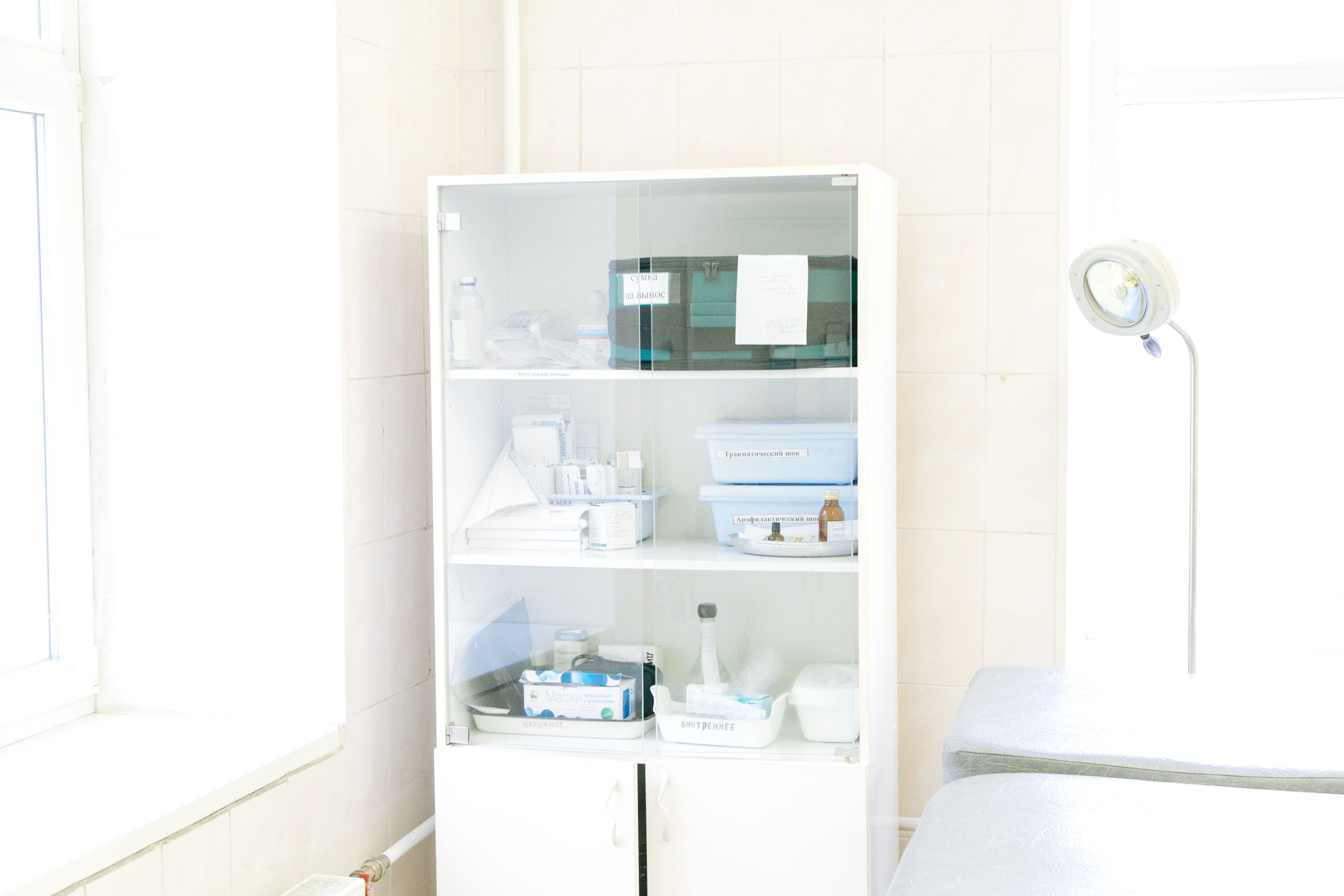
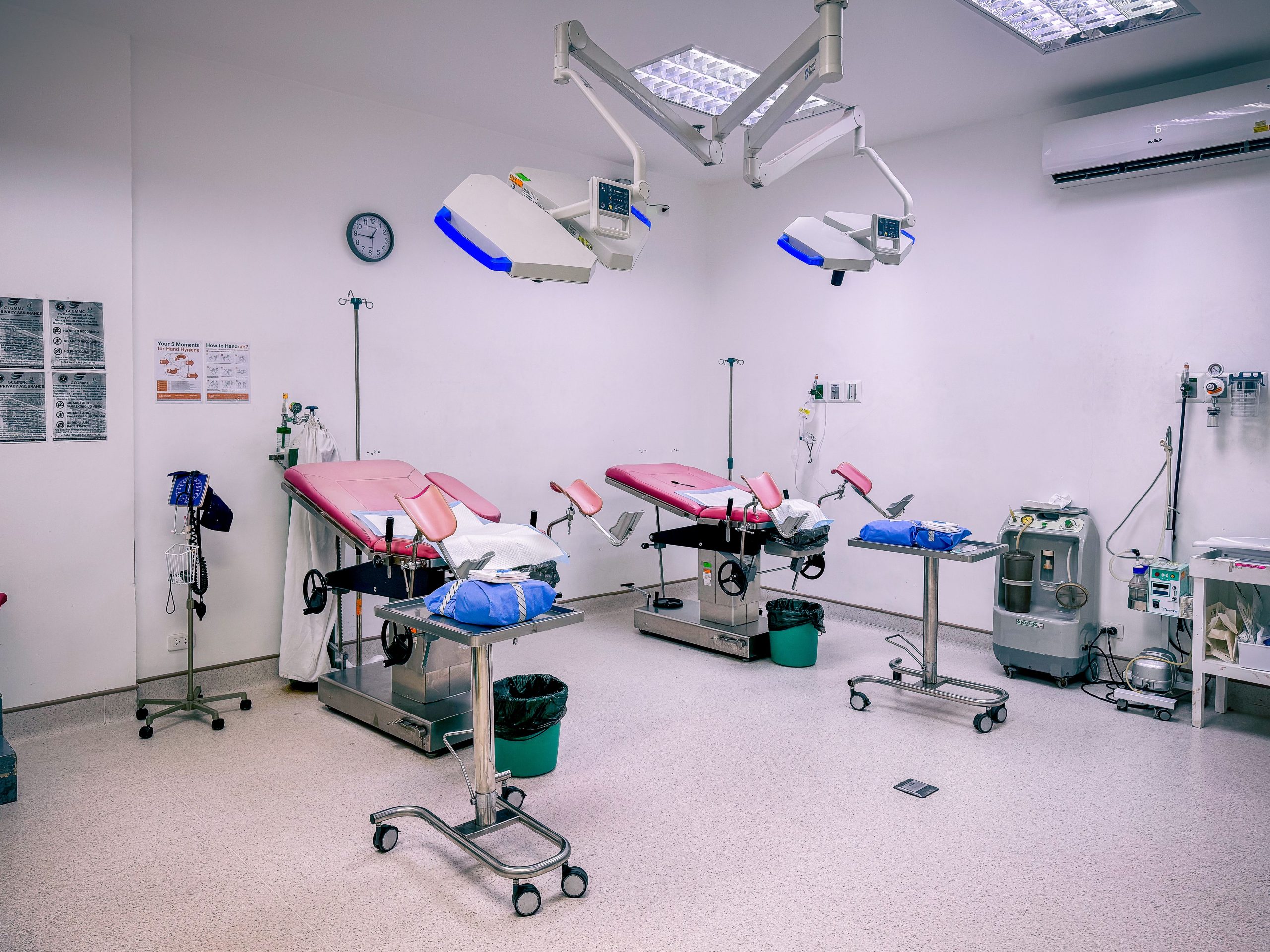
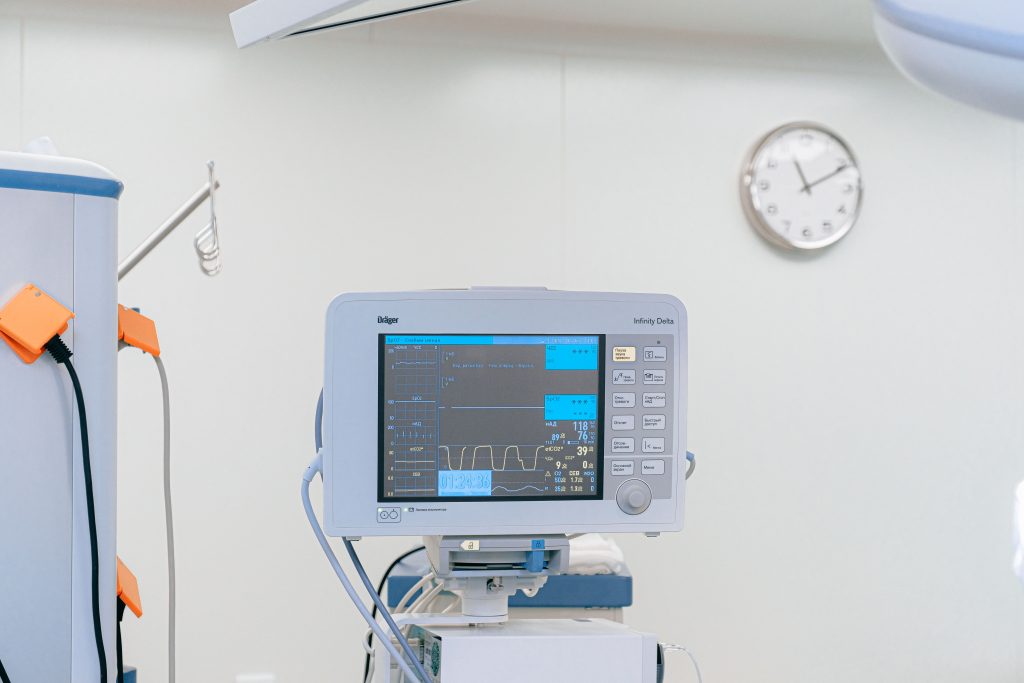
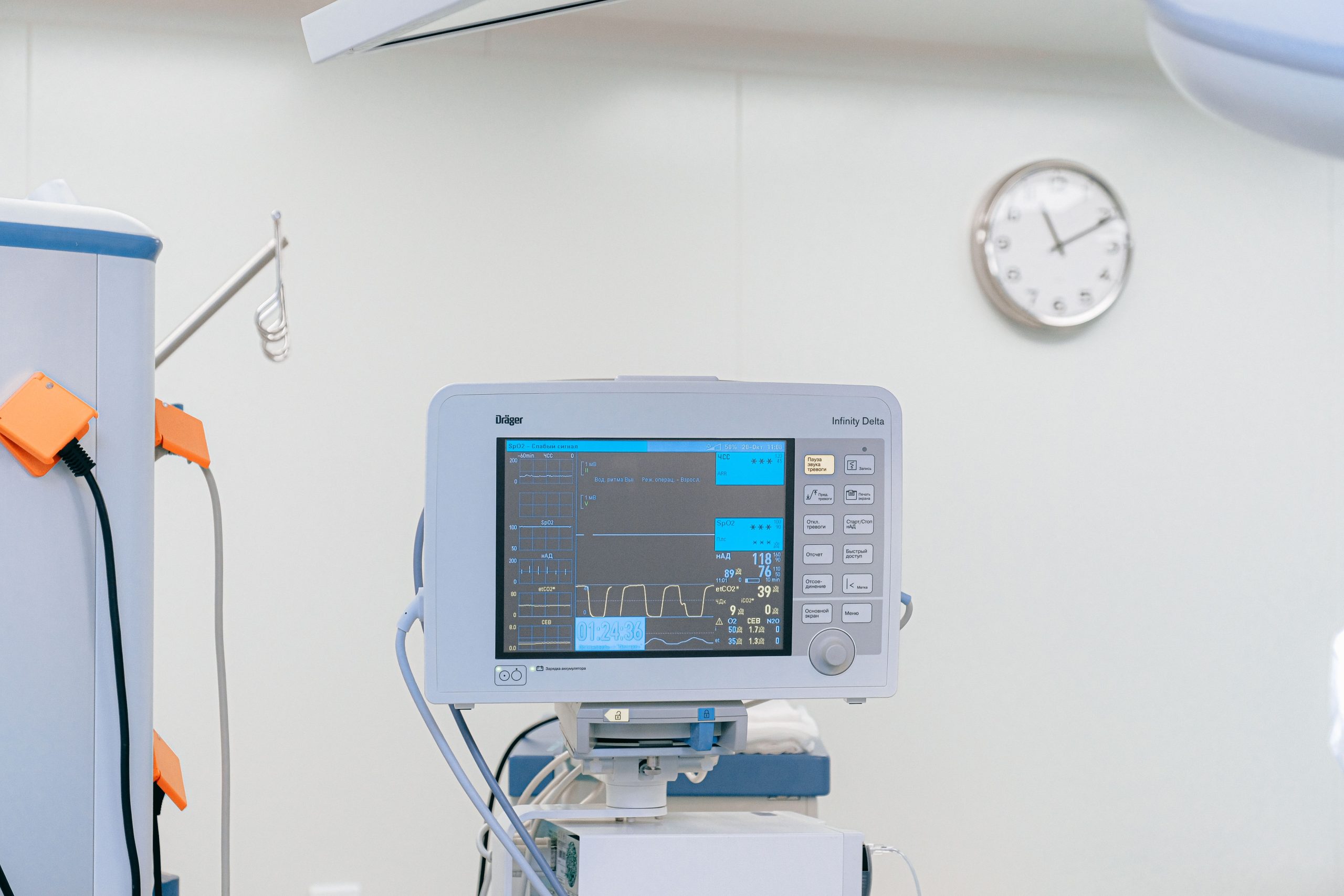
Supplying essential tools – from delivery beds and sterilizers to diagnostic devices like blood pressure monitors, thermometers, and point-of-care ultrasound machines.

images

Staffing support

Recruiting and retaining qualified nurses, midwives, and community health officers for underserved areas. Where gaps exist, we provide financial incentives and housing support.
The Problem

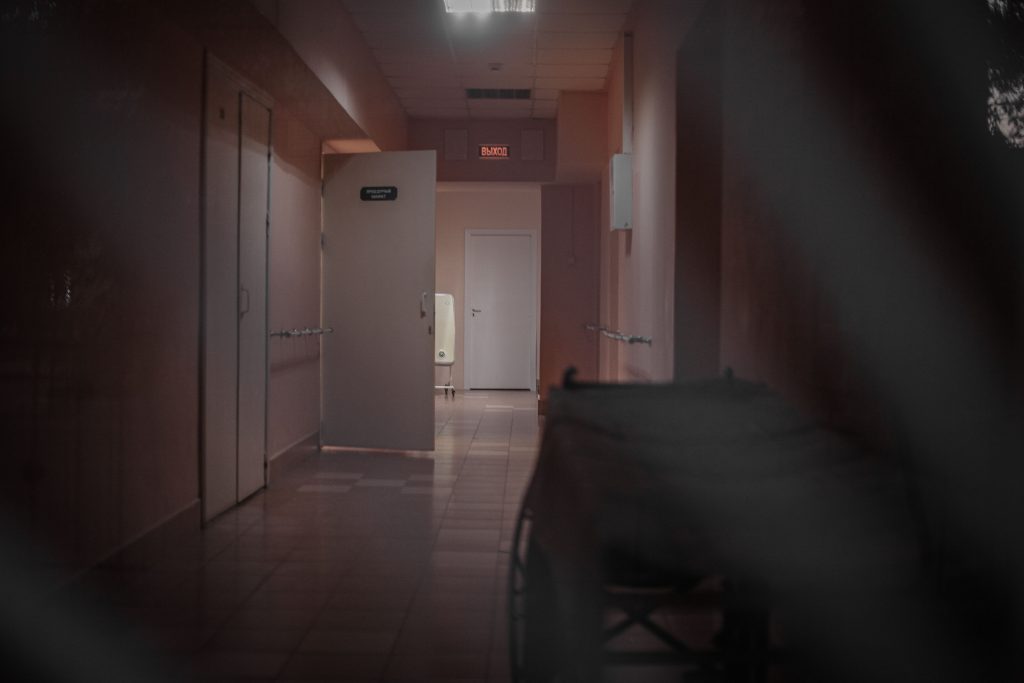
Most rural and difficult to reach areas in developing countries remain
underserved with regards to quality health care for all. For example,
one bellion people across the globe have no access to adequate health
services. In the African continent , over 60% of the people reside in
rural areas with up to 80% facing geographical difficulties in accessing
modern health care. Unfortunately difficult to reach, rural and
economicallly challenged communities suffer even worser forms of

disease than may be urban communities. Severe forms of disease like
sepsis, malaria, typhoid, cholera, measles, yellow fever, ...... and even
newer outbreaks like Ebola, Covid 19 are also affecting most of these
communities seriouly in addition to their economic and nutritional
needs. Worst of all malnutrional disease like Marasmus and
kwashiokor still affcect rural and difficult to reach commmunities;
thus making it worse when the children get infected with other disease
conditions. Mellinuum and sustainable development goals may still
have a long way from being fully achieved in developing countries if
additional efforts like that of implementing concept of essential health
for all foundation in rural communities of Cameroon and beyound.

pexels dusia0pig 8673896

Started Efforts

First health facility officially opened in August 2022 and others in
progress

First health facility located in Bangourain with next facilities planned after
feasibility studies in the following communities; Tonga, Bafang, Kingomen, Makenene
and Garoua.

Key milstones for 2023 to 2026

 Construction of surgical block, maternity, and infant welfare
departments for the first facility
 Secure more equipments like Ultrasound machines, X-Ray Machines,
Haematologic analysers, blood chemestry, and other necessary
diagnostic equipments to support the care of patients in rural
communities.
 Setting up of new facilities in the five communities studied already.